

Weather Conditions and Their Influence on Football Markets
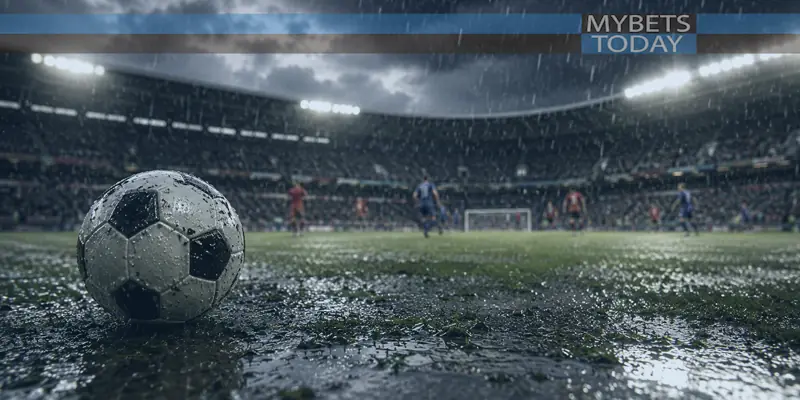
Why weather matters more than many bettors think
Many football bettors spend most of their time studying team news, recent form, injuries, head to head records, tactical shape, and league position. All of that matters, of course. But one factor is still often treated like a small detail when it can actually have a real effect on how a match plays out. That factor is weather.
Weather conditions can influence the rhythm of a match, the speed of the ball, the quality of the pitch, the comfort of the players, and the number of mistakes made during the game. In some fixtures, the effect is small. In others, it can be significant enough to shift both performance and betting value.
This is especially important for bettors because football markets are not only shaped by team quality. They are also shaped by expected match conditions. If the weather is likely to change how the game will be played, then it can also change which markets make the most sense.
Rain, wind, heat, cold, humidity, and poor surface conditions can all push a game in a different direction. Some matches become slower and more cautious. Some become more chaotic. Some produce fewer clean chances. Others create more random moments, more second balls, and more awkward defending. The key point is simple. Weather is not just background information. In the right match, it becomes part of the betting analysis itself.
Weather does not affect every match in the same way
One of the biggest mistakes bettors make is speaking about weather as if it has one fixed effect. It does not. Heavy rain in one match may hurt a technical side that depends on quick passing and sharp movement. In another match, the same rain may actually help create a scrappier contest full of loose balls, rushed clearances, and bad defending.
The impact depends on several things at once. It depends on the teams involved, the style of play, the quality of the pitch, the speed of the surface, the importance of the game, and how comfortable the players are in those conditions. That is why weather should never be looked at in isolation. It needs to be read together with the football itself.
A strong passing side on a slick wet pitch may still move the ball well if the surface is good. But if the field is heavy and slow, that same side may lose one of its biggest strengths. A direct team that plays early balls into wide areas may feel much less affected. In fact, it may even benefit.
That is why serious bettors do not simply ask whether rain or wind is expected. They ask how those conditions interact with the specific teams in the match.
Rain and wet pitches can change the whole tempo
Rain is one of the most common weather factors in football and one of the easiest to underestimate. A light shower may not matter much. Heavy rain, however, can change the speed and shape of the game quite noticeably.
On some pitches, the ball moves faster across the ground in wet conditions. That can help fast passing moves when the surface stays true. But on worse surfaces, heavy rain can make the pitch sticky, uneven, and awkward. The ball may hold up unexpectedly, bobble at the wrong moment, or slow down just enough to ruin timing in attacking play.
This can affect several betting markets. A wet pitch can lead to more defending errors, more sliding challenges, more rebounds, and more messy situations inside the penalty area. But it can also reduce clean build up and lower the quality of finishing if players struggle with balance and control.
When rain can support lower scoring matches
If the pitch becomes heavy and passing combinations lose quality, the match can become more broken and less fluid. Teams may take fewer risks, attacks may break down earlier, and chances may be harder to create cleanly. In that kind of game, under goals markets can become more attractive.
When rain can support chaos instead
At the same time, rain can sometimes create defensive mistakes, poor clearances, goalkeeper spills, and awkward one on one situations. That can push a match toward more random scoring moments. This is why context matters. Rain does not always mean under goals. It means the game may become less clean, and the direction of that effect depends on the teams and surface involved.
Wind is often the most underrated weather factor
Wind may be even more important than rain in some matches, especially when it is strong and irregular. Many bettors pay little attention to it, but wind can affect football in very direct ways.
Long passes become less accurate. Crosses become harder to judge. Goalkeepers hesitate more on high balls. Set pieces become unpredictable. Shots from distance can move strangely in the air. A team that usually relies on crossing, diagonals, and aerial service can suddenly lose precision in key areas.
This can have a clear influence on market thinking. In very windy conditions, matches often become less reliable from a technical point of view. A team with superior attacking patterns may struggle to turn possession into dangerous final actions. That can weaken assumptions about favourites, especially if their edge depends on quality delivery into the box.
Wind and set pieces
Strong wind can make corners and free kicks far more difficult to defend and far more difficult to execute well. Sometimes this increases randomness. Sometimes it reduces quality. A dead ball specialist may find it hard to land the right delivery. A goalkeeper may misjudge the flight of the ball. A defender may panic under a hanging cross. These details matter because football matches are often decided by fine moments.
Wind and total goals
In some fixtures, wind supports under goals because passing and crossing become messy and attacks lose structure. In others, it adds enough unpredictability to create one or two strange moments that tilt the game. Again, the important lesson is that the weather changes the texture of the match, not always the final direction in a simple way.
Heat and humidity can slow games down
Very warm conditions can have a strong effect on tempo, energy, and pressing intensity. When the heat is high, matches often become slower, especially in the later stages. Players conserve energy more carefully. Recovery runs become harder. Intense pressing for ninety minutes becomes less realistic. The game can turn more passive in certain phases.
This usually matters most when teams rely on physical output, quick transitions, and aggressive pressure without the ball. If both sides are built around high energy football, extreme heat can reduce the intensity that normally defines them.
That can affect markets in a few ways. It may lower total shots. It may reduce the speed of transitions. It may push the game toward longer possession spells without much penetration. It may also increase the value of patient teams who are comfortable controlling space and rhythm rather than chasing the ball constantly.
Second half slowdown
One of the clearest effects of hot weather is the drop in pace later in the match. Even when the first half begins with good energy, the second half may become slower and more careful. This can be useful when thinking about live betting, second half goals, or whether the game is likely to open up or settle down as time passes.
Cold weather can affect comfort and quality
Cold conditions usually have a smaller tactical effect than heavy wind or extreme heat, but they still matter. In very low temperatures, players can take longer to settle into their rhythm. Ball contact can feel harsher. Passing may lack sharpness in the early stages. Muscles tighten more easily. The game may begin with a little less flow than usual.
This is especially relevant when teams are not used to those conditions, such as visiting sides playing in much colder environments than normal. Travel, temperature, and unfamiliar surroundings together can reduce comfort and decision making speed.
Cold weather alone will not transform every match, but it can still add to a wider picture, especially when combined with fatigue, travel, or poor pitch conditions.
Poor pitch conditions can matter as much as the weather itself
Sometimes the weather is only half the story. The more important issue is what it does to the pitch. A high quality surface can handle rain or cold much better than a poor one. But when the grass is heavy, uneven, cut up, or soft underfoot, the game can change dramatically.
A bad surface hurts teams that depend on clean passing, quick one touch combinations, and technical control in small spaces. It often helps teams that play more directly and are comfortable in second ball situations. That kind of contrast can be highly relevant in betting markets.
A strong favourite on a bad surface is not always as strong in practical terms as it looks on paper. If the pitch removes part of its technical edge, the game can compress. That may make handicap markets less attractive and under goals or tighter scoreline expectations more reasonable.
Some playing styles are much more weather sensitive than others
This is one of the most important parts of the whole discussion. Weather does not affect all teams equally. Some styles are far more vulnerable than others.
Technical possession teams
Teams that rely on short passing, control, timing, and positional combinations often suffer more in poor weather. If the ball does not travel smoothly or if wind disrupts passing and crossing, they may struggle to create their usual patterns.
Direct physical teams
More direct teams are often less affected by rough conditions. They are already comfortable with longer balls, contested duels, and second phase play. In ugly matches, they may even feel more at home than the more technical opponent.
High pressing teams
Teams that depend on constant pressure can be affected more by heat and humidity, because sustaining that intensity becomes much harder over the full match.
Cross heavy teams
Sides that create through wide deliveries may struggle in strong wind, where crossing accuracy becomes less reliable and goalkeepers behave more cautiously.
This is why weather should always be linked to identity. It is not enough to know what the forecast says. You need to know which team is more likely to be disrupted by it.
Weather can influence more than just the goals market
Many bettors only think about weather in relation to over and under goals. That is too narrow. Weather can influence several different markets at once.
Match winner
If bad conditions reduce the quality gap between the teams, a favourite can become less trustworthy. A technically stronger side may no longer be able to express its advantage as clearly.
Asian handicap
Heavy weather can compress games and make big margins less likely. That can hurt stronger teams giving away a handicap.
Corners
Wind and wet surfaces can change how often the ball goes behind, how full backs defend crosses, and how aggressively teams attack wide areas. Sometimes that lifts corners. Sometimes it reduces crossing quality and lowers them.
Cards and fouls
Slippery conditions can create mistimed tackles and more physical duels. A tense match in poor weather can sometimes become more scrappy and foul heavy.
Player props
Attackers who depend on clean shooting positions may be less reliable in rough conditions. Goalkeeper saves may rise if more efforts come from messy situations rather than clean finishing zones.
Late weather changes can move the market
Weather can also affect market timing. If conditions worsen close to kickoff, odds can move late, especially in totals markets. This is more likely when the forecast becomes clearer in the final hours or when strong wind and heavy rain are more severe than expected.
Smart bettors keep an eye on this because prices may be shaped differently early and late. If weather becomes more influential as kickoff approaches, the market may adjust quickly. That does not mean every move is correct, but it does mean weather can become part of the closing line process.
This is particularly important in lower profile competitions or matches with weaker pitches, where conditions may have more practical impact than in top level stadiums with excellent drainage and surface maintenance.
Common mistakes bettors make with weather
Assuming bad weather always means under goals
This is probably the most common mistake. Bad weather does not always kill goals. It can also create errors, rebounds, poor goalkeeping moments, and defensive confusion. The effect depends on style and context.
Ignoring the pitch quality
The same rain on two different surfaces can create two completely different matches. Good drainage changes everything.
Ignoring the teams involved
A weather forecast only matters when connected to team identity. A direct side and a technical side may experience the same conditions very differently.
Overreacting to general ideas
Some bettors use weather as a shortcut instead of real analysis. They see wind or rain and immediately force a bet. That is too simplistic. Weather should refine your read, not replace it.
How to think about weather in a smarter way
The best approach is practical and simple. Start with the match itself. How do the teams usually play. Where is the favourite edge. What kind of game would normally be expected. Then ask how the forecast may disturb that expectation.
If the stronger team relies on technical build up and crosses, strong wind matters more. If the match would normally be high intensity, extreme heat matters more. If the pitch is already known to be poor, heavy rain matters more. The real value comes from this interaction between football and environment.
Weather should be treated as a modifier, not a stand alone betting system. It can strengthen an existing read, weaken it, or push you away from a market that initially looked attractive.
Why weather matters most in close or fragile matches
In some matches, the better team is so strong that weather may not change much. But in close games, or in matches where the favourite edge is already thin, weather can matter a lot more. If the gap between the teams is modest, any outside factor that reduces quality or increases randomness can become important.
That is where bettors often find the real impact. Not in obvious mismatches, but in games where one team depends on smooth conditions to express a small technical edge. If that edge gets blurred, the whole market may need to be looked at differently.
Final thoughts
Weather conditions influence football markets because they influence football itself. They change tempo, comfort, pitch behaviour, passing quality, pressing intensity, set pieces, and mistake levels. Sometimes the effect is minor. Sometimes it is large enough to shift how the whole game should be read.
The key is not to treat weather as a magic answer. It is to understand how specific conditions interact with specific teams. Rain, wind, heat, cold, and poor surfaces do not create one fixed result. They reshape the environment in which the match is played. Smart bettors pay attention to that because betting is not only about team quality. It is also about how easily that quality can be shown on the day.
That is why weather deserves a proper place in football analysis. Not as a gimmick and not as an afterthought, but as one more serious piece of information that can help explain why some matches play out very differently from what the basic odds first seem to suggest.