

Cards Markets in Football Are Bigger Than Ever
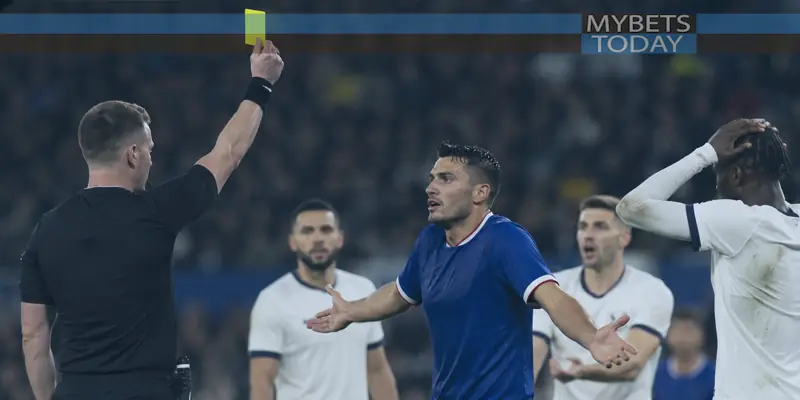
Why card betting has moved into the mainstream
Cards markets used to feel like a secondary part of football betting. Most bettors focused on match winner, goals, Both Teams To Score, accumulators, and maybe corners. Yellow cards and red cards were often treated as extra markets for people who wanted something different, not as a serious part of match analysis. That has changed. Cards markets are now much more visible, much more popular, and much more important in the way many bettors study football.
The reason is simple. Football is not only about goals. A match can be shaped by pressure, aggression, tactical fouls, emotional rivalry, referee style, time wasting, and the way teams react when they are chasing or protecting a result. Cards help tell that story. In some fixtures, the card angle can be clearer than the result or the goal line.
For example, a derby between two intense rivals may be difficult to predict in terms of winner. The teams may be close in quality. The odds may already look sharp. The goals market may feel uncertain. But if the fixture usually carries emotion, physical duels, crowd pressure, and a referee with a low tolerance for repeated fouls, the cards market can become much more interesting.
This is why cards betting has grown. It gives bettors another way to read the game. Instead of asking only who will win or how many goals there will be, the bettor can ask how the match will feel. Will it be tense. Will there be late tackles. Will one team need to stop counterattacks. Will the referee allow contact, or will he punish small fouls early. These are different questions, and they often lead to different betting opportunities.
What football cards markets actually cover
Cards markets can be simple or very detailed. The most basic version is total cards in the match. A bookmaker may set a line, and the bettor chooses whether the game will go over or under that number. Some markets count cards by points, where a yellow card may be worth 10 points and a red card may be worth 25 points. Others simply count the number of yellow and red cards shown.
There are also team cards markets. Instead of betting on the whole match, you can focus on one team. This can be useful when one side is expected to defend for long periods, make tactical fouls, or face a fast opponent that forces mistakes.
Player cards markets have also become more common. These allow bettors to back a specific player to be booked. This type of bet needs more care because one player card can depend on position, opponent, role, referee, and match state. Still, when used correctly, it can be a strong angle.
Some operators also offer cards handicap markets, first team to receive a card, both teams to receive a card, red card markets, and live cards betting. This wider menu is one reason the market has become more popular. Bettors now have more ways to express a specific opinion about discipline and match intensity.
Why cards can be easier to read than goals in some games
Goals are the main event in football, but they are also difficult to predict. One missed chance, one save, one poor finish, or one deflection can change everything. A team can create pressure without scoring. A match can look open but finish 0-0. Another game can produce three goals from very few clear chances.
Cards are different. They are still unpredictable, but they often connect strongly to the tone of the match. If a game is tense, physical, and full of transition moments, the card risk can build naturally. If a team is under pressure and forced to defend wide spaces, fouls may become more likely. If a referee sets a strict standard early, players may quickly enter risky territory.
This does not mean cards betting is easy. It is not. But in certain matches, the cards market can be more logical than the goals market. A low scoring match can still produce many cards. A tactical match with few shots can still be very intense. That makes cards useful because they do not depend on finishing quality in the same way as goal markets.
The importance of referee style
Referee style is one of the most important parts of cards betting. Two referees can control the same type of match in very different ways. One may allow physical contact and speak to players before booking them. Another may produce an early yellow card to control the temperature of the game. That difference can completely change the market.
A strict referee can make over cards more attractive, especially in matches that already have tension. But it is not enough to look only at card averages. You also need to understand the type of matches those cards came from. A referee may show many cards because he often handles difficult fixtures. Another may show fewer because he has mostly controlled calmer games. Context matters.
Good cards analysis looks at the referee together with the fixture. A strict referee in a friendly, one sided match may not produce many cards. A more patient referee in a derby may still end up booking several players because the match forces him into decisions. The referee is important, but he is not the whole story.
Match context can change everything
Cards markets depend heavily on context. Some matches naturally carry more card potential than others. A league match between two teams with nothing major at stake may play at a normal rhythm. A relegation battle can feel completely different. A derby can bring emotion from the first minute. A knockout match can become tense because one mistake may decide the tie.
Pressure changes player behaviour. When the cost of losing is high, players often become more emotional and more reactive. They complain more, challenge harder, waste more time, and take fewer risks with open play. This can lead to more fouls and more bookings.
Game state also matters. A team that is leading late may slow restarts, break rhythm, and defend deeper. A team that is losing may press harder, commit more bodies forward, and leave space behind. That can create tactical fouls. This is why live cards betting can become interesting when the match starts to shift emotionally.
Why team style matters so much
Some teams are naturally more card friendly than others. This does not only mean dirty teams. It can also mean teams that play with aggression, press high, defend man to man, or rely on tactical fouls to stop counterattacks.
A team that plays a high defensive line may have defenders exposed in large spaces. If quick attackers run behind them, fouls can follow. A team that presses hard may commit many small fouls when the press is beaten. A side that sits deep for most of the game may make desperate blocks and late challenges around the box.
On the other side, some teams are disciplined and controlled. They defend with shape, avoid emotional reactions, and rarely expose players in dangerous one on one duels. These teams may not be strong candidates for cards even when the match looks competitive.
This is why cards betting should never be based only on emotion. A rivalry matters, but so does tactical style. A physical match matters, but so does how each team defends space.
Player cards are popular but risky
Player cards markets have become very popular because they feel specific and exciting. Backing a full back to be booked against a dangerous winger, or a defensive midfielder to be carded in a high tempo game, can feel logical. Sometimes it is. But this market needs a careful approach.
A player may be card prone, but if his team dominates possession, he may not need to make many defensive actions. A full back may face a dangerous winger, but if the winger receives little service, the matchup may not become as risky as expected. A midfielder may usually commit fouls, but if the referee is lenient, the card may never arrive.
Player card bets work best when several factors line up. The player has a risky role. The opponent can attack his zone. The match context supports physical or tactical fouls. The referee is not afraid to book players. The player is likely to stay on the pitch long enough. When these pieces fit together, the bet becomes more professional. Without them, it can become little more than a guess.
Cards and tactical fouls
Tactical fouls are one of the biggest reasons card markets have grown. Modern football is full of transition moments. Teams attack with numbers, lose the ball, and then need to stop the counter quickly. The easiest way to do that is often a foul in midfield.
This is especially important in matches involving teams with fast attackers. If one side has dangerous runners and the other side struggles to defend open space, card risk can increase. Defensive midfielders, centre backs, and full backs may all become vulnerable because they are forced into emergency decisions.
A tactical foul may not look aggressive, but it can still bring a yellow card. Referees often punish attempts to stop promising attacks. That makes team style and transition risk very important in card betting.
Derbies and rivalry matches
Derbies are often central to cards markets because they carry emotional weight. Players feel the pressure. Fans create intensity. Every challenge can feel bigger. Referees know the fixture has history, and sometimes they try to control the game early with cards.
However, not every derby becomes card heavy. Some derbies are tense but cautious. Others are intense but controlled. A good bettor does not assume rivalry automatically means over cards. The better approach is to study recent meetings, current team situation, referee style, and what both teams need from the match.
If the rivalry is strong, the stakes are high, and both teams have aggressive styles, then the cards market can become much more attractive. If the match has less pressure or both managers are likely to approach it carefully, the angle may be weaker.
Why cards markets are useful in low scoring games
Some low scoring matches are boring. Others are tense, physical, and full of pressure. This distinction matters. A match that looks poor for goals may still be strong for cards if both teams are fighting for territory and making repeated defensive actions.
This is one reason cards markets have become so useful. They allow bettors to find an angle in matches where goals markets feel unattractive. A tight 1-0 or 0-0 game may still produce several yellow cards if the pressure rises and both teams fight for every second ball.
For bettors who understand match texture, cards can be a more suitable market than forcing a result or goals bet where the value is not clear.
Common mistakes in cards betting
Looking only at average cards
Averages help, but they do not tell the full story. A team may have a high average because of a few extreme matches. A referee may have a high average because he handled several tense games. You need to understand what sits behind the number.
Ignoring match state
Cards often arrive because of how a match develops. A calm first half can turn into a card heavy second half if the scoreline creates pressure. Pre-match analysis matters, but live context can be just as important.
Backing player cards without role analysis
A player may have a reputation, but reputation alone is not enough. You need to know his likely duties in the match and whether the opponent will force him into risky defensive actions.
Assuming every big match means many cards
Big matches can be intense, but they can also be cautious. Experienced teams may manage risk better. Referees may try to keep control through communication rather than quick cards.
How to approach cards markets more professionally
A better cards betting process should start with the match context. Ask what is at stake. Is it a derby. Is it a relegation battle. Is it a knockout tie. Are both teams under pressure. Then look at team style. Who will defend more. Who is likely to chase. Where are the dangerous matchups. Which players are likely to be exposed.
After that, study the referee. Does he book early. Does he manage games with warnings. Does he punish dissent. Does he often show cards for tactical fouls. Then compare all of this with the market line. A good cards bet is not just about expecting a heated game. It is about finding a line that does not fully reflect the card risk.
Discipline also matters. Cards betting can be emotional because every foul feels important. But not every foul deserves a card, and not every heated spell will produce one. You need patience and a clear read of the match.
Why cards markets are bigger than ever
Cards markets are bigger than ever because modern football betting is more detailed than before. Bettors want more than simple winner and goals markets. They want angles that reflect how the game is really played. Cards fit that perfectly because they connect to pressure, tactics, emotion, referee control, and team behaviour.
They also work well for live betting. When a match becomes tense, cards markets can react quickly. When one team starts committing repeated fouls, bettors notice. When a player is struggling in a direct duel, a booking can feel more likely. These live signals make cards markets highly engaging.
At the same time, card betting rewards people who actually watch football closely. It is not only about stats. It is about understanding when a match is becoming unstable, when a referee is losing patience, and when a player is one bad challenge away from a yellow card.
Final thoughts
Cards markets in football have grown because they reveal a side of the game that traditional markets often miss. Goals and results matter, but they do not always capture pressure, aggression, tactical fouls, emotional rivalry, or the way a referee controls a match. Cards do.
For everyday bettors, this creates more opportunity but also more responsibility. A cards bet should not be made just because a game feels big or emotional. It should be based on context, style, referee profile, player roles, and market price. When those pieces line up, cards can be one of the most useful football betting markets available.
That is why this market is no longer a minor side option. It has become part of serious football betting analysis. In modern football, the yellow card can sometimes tell you as much about the match as the goal does.